

If you’ve lived through a Connecticut winter, you know the drill—cold snaps, early frosts, wet snow, deep freezes, and plenty of unpredictable weather. What homeowners often don’t realize is just how much this seasonal shift impacts their turf. The good news? With the right approach to winter lawn care CT, you can protect your grass, strengthen its root system, and set your lawn up for a greener, healthier spring.
At MissionGreen Services, we believe winter lawn preparation is one of the most important steps in caring for your turf. As a local Connecticut company with decades of agronomic experience, our team uses research-based practices and premium products designed specifically for New England landscapes. And with the cold season approaching fast, now is the perfect time to give your lawn the attention it needs.
Below, we break down everything you should know about preparing your yard before the snow hits—simply, clearly, and with confidence.
Why Winter Lawn Care Matters in CT
Your lawn may go dormant in winter, but it doesn’t “shut off.” Beneath the surface, the root system is still active—storing nutrients, conserving energy, and preparing for spring growth. Performing the right winter lawn care CT steps in late fall gives your turf the resources and protection it needs to thrive when warmer weather returns.
Failing to prepare can lead to:
- Thinning turf
- Winter diseases like snow mold
- Poor spring color
- Increased weed pressure
- Bare patches from ice or plow stress
MissionGreen’s focus is always on building resilient turf that outperforms the challenges of our local climate.
Step 1: Give Your Lawn a Proper Final Mow
A healthy winter lawn starts with the right mowing height. In Connecticut, we recommend lowering your mower slightly for your last cut—but not too short.
Final mow guidelines:
- Keep grass around 2.5–3 inches.
- Avoid cutting more than one-third of the blade at once.
- Ensure your mower blades are sharp to prevent tearing.
Shorter grass helps reduce matting under snow and prevents the conditions that lead to snow mold—one of the most common winter lawn diseases in Connecticut.
Step 2: Clear Leaves Before Snow Arrives
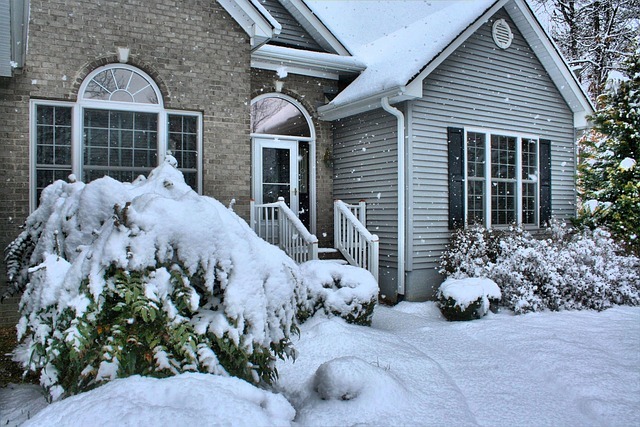
Leaf removal is critical for winter lawn care CT because snow combined with organic debris creates moisture pockets that suffocate your turf.
Why leaf control matters:
- Prevents fungus and rot
- Allows sunlight to reach the lawn
- Reduces winter pests
- Keeps your lawn breathing even in cold months
If you can’t remove all leaves at once, mulch mow them into fine particles. MissionGreen recommends leaf maintenance right through your final fertilization.
Step 3: Apply a Winterizing Fertilizer
This is one of the most important steps—and where homeowners often benefit most from professional help.
A late-fall, slow-release nitrogen fertilizer builds strong, deep roots and helps your lawn store essential nutrients for spring. MissionGreen’s proprietary winterizer is formulated specifically for Connecticut cool-season turf varieties (Kentucky bluegrass, perennial rye, and turf-type tall fescue).
Winterizing fertilizer helps your lawn:
- Strengthen roots
- Improve color retention
- Recover faster after thaw
- Resist winter stress
- Green up earlier in spring
This is the heart of MissionGreen’s proven end-of-season treatment.
Step 4: Manage Weeds Before They Overwinter
Fall is the best time to tackle persistent weeds because they are actively pulling nutrients down into their root systems—making them more susceptible to treatment.
Common CT weeds that benefit from fall control include:
- Dandelion
- Clover
- Chickweed
- Plantain
- Henbit
Our technicians apply a targeted weed control designed for late-season effectiveness, creating a cleaner, healthier lawn by spring.
Step 5: Avoid Heavy Traffic on Frozen or Snow-Covered Grass
Foot traffic, snow shoveling, plows, and even pets can cause turf damage when the grass blades are brittle or when the soil is frozen.
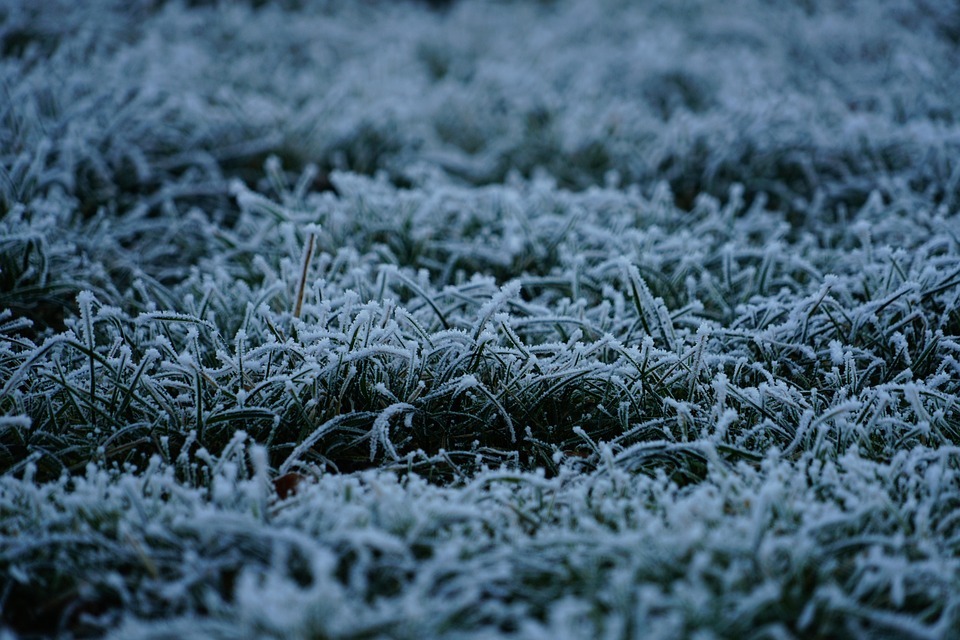
Tips to prevent winter damage:
- Stay on sidewalks and walkways when possible
- Mark lawn edges before the first storm
- Keep snow piles off sensitive lawn areas
- Discourage pets from using the same path repeatedly
Reducing compaction now means fewer bare spots later.
Step 6: Schedule a Professional End-of-Season Inspection
At MissionGreen, our late-fall lawn assessment helps identify any problems before winter sets in. We look for:
- Thin or stressed areas
- Disease indicators
- Soil compaction
- Drainage concerns
- Weed pressure
- Turf density issues
As the leading local provider of winter lawn care CT, MissionGreen offers customized recommendations to ensure your lawn is fully prepared for the cold season.
Why MissionGreen Is the Trusted Local Choice in Connecticut
We’re not a national chain—and that’s exactly why our customers trust us. MissionGreen is built on:
- Local expertise
- Premium turf-building products
- Licensed, trained, community-based technicians
- Science-driven lawn care programs
- A warm, customer-first service approach
We know Connecticut turf. We know Connecticut weather. And we know how to keep your property looking its best—season after season.
Get Your Lawn Winter-Ready Today
Don’t wait until snow is on the ground. Let MissionGreen protect your turf and set your lawn up for a gorgeous, healthy spring. Call today at 860-222-7332 or email getgreen@MissionGreenServices.com!
For additional reading on lawn care or pest topics, check out our Living Green blog!

