

When winter snow finally retreats, many New England homeowners are surprised by what’s left behind—matted turf, bleached patches, and areas that look far from healthy. These symptoms are commonly caused by snow mold, a group of cold-weather turf diseases that develop under prolonged snow cover and cool, wet conditions.
Understanding why snow mold appears, how to tell the difference between pink snow mold and gray snow mold, and how to respond quickly can dramatically improve how your lawn recovers this spring.
The Two Types of Snow Mold: Technical Breakdown
Pink Snow Mold (Microdochium nivale)
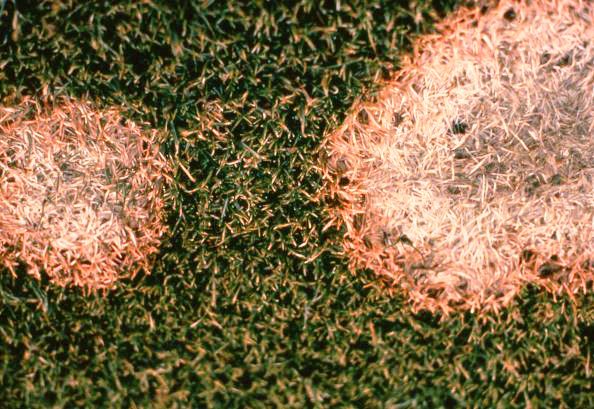
Pink snow mold—technically known as Microdochium nivale—is the more destructive of the two diseases. Unlike gray snow mold, it does not require snow cover to remain active and can continue to spread during cool, wet spring weather.
Key characteristics:
- Circular or irregular patches, often several inches to a few feet wide
- Turf appears matted, water-soaked, and straw-colored
- Distinct pink or salmon-colored mycelium along patch edges during wet conditions
Why it’s a concern:
Microdochium nivale can infect the crown of the grass plant, which is the growing point. When crowns are damaged, turf recovery slows significantly and thinning or dead areas may develop.
Gray Snow Mold (Typhula incarnata / Typhula ishikariensis)
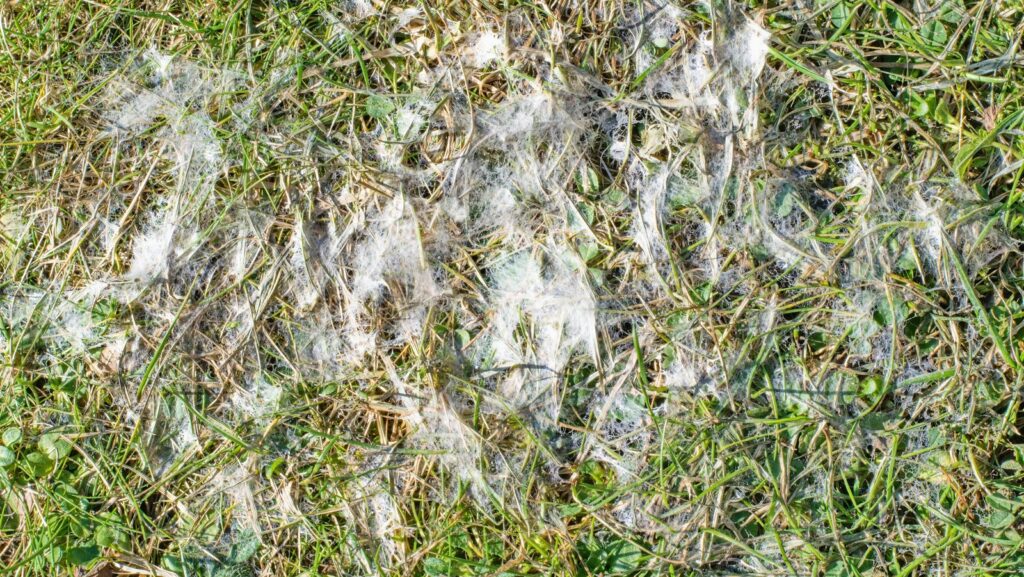
Gray snow mold is caused by fungi in the Typhula species, most commonly Typhula incarnata and Typhula ishikariensis. This disease is more cosmetic and typically less harmful.
Key characteristics:
- Light gray or white patches after snowmelt
- Cottony or web-like fungal growth visible immediately after thaw
- Grass blades appear flattened but crowns usually remain healthy
Why it’s less severe:
Gray snow mold primarily affects leaf tissue, not the crown. Once temperatures warm and conditions dry, the grass often grows out of the damage naturally.
Why Snow Mold Appears: The Root Causes
Snow mold doesn’t happen randomly—it’s the result of specific environmental and cultural conditions coming together.
Common contributing factors include:
- Prolonged snow cover that insulates turf and traps moisture
- Poor air circulation and compacted turf
- Excessive fall nitrogen that promotes lush, tender growth
- Tall grass going into winter
- Heavy leaf debris or snow piles left on lawns
These conditions create an ideal microclimate for fungal pathogens to thrive when turf is dormant and defenseless.
What Homeowners Can Do to Encourage Recovery
Early spring lawn care plays a major role in how well turf rebounds from snow mold.
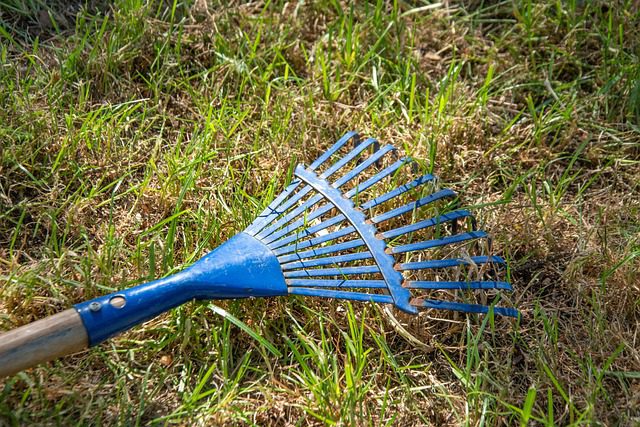
Immediate steps to take:
- Lightly rake affected areas to lift matted grass and improve airflow
- Remove debris, leaves, and lingering snow piles
- Avoid heavy early fertilization that can overstress recovering turf
- Monitor affected areas as temperatures warm
Minor gray snow mold damage often resolves on its own, but lawns impacted by pink snow mold frequently benefit from professional intervention.
How Fungicides Support Recovery & Prevention
A targeted fungicide application can be an effective tool when snow mold pressure is high or damage is severe.
Fungicides help by:
- Halting active fungal growth during cool, wet spring weather
- Protecting weakened turf while it regains strength
- Reducing long-term thinning and crown damage
Even more importantly, preventative fall fungicide applications dramatically reduce the severity of snow mold the following spring, allowing lawns to green up faster and more uniformly.
Timing Is Everything: The Importance of Early Spring Applications
Getting your first spring application down early is critical. Timely treatments help:
- Rebuild root systems after winter stress
- Support recovery before aggressive top growth begins
- Prevent lingering disease from slowing green-up
Lawns that fall behind early in the season often struggle all year to catch up.
How MissionGreen Services Helps Deliver Healthier Turf
At MissionGreen Services, we take a science-based approach to lawn care. Our team understands the environmental conditions that lead to snow mold and how to correct them.

We help homeowners by:
- Accurately diagnosing pink vs. gray snow mold
- Applying professional-grade fungicides when appropriate
- Delivering timely spring applications that set the foundation for success
- Building customized programs focused on long-term turf health
When winter leaves your lawn stressed and vulnerable, MissionGreen is ready to help your turf recover faster, grow stronger, and thrive all season long. For additional reading, please check out our Living Green blog!

