

If you live in Connecticut, ticks aren’t just a nuisance—they’re a serious health concern. With growing populations and longer active seasons, these invasive pests are becoming more aggressive across residential landscapes. Understanding where ticks come from, how many species exist locally, and the diseases they carry is critical to protecting your loved ones.
Where Did Ticks and Lyme Disease Originate?
Ticks have existed for millions of years, originally thriving in warm, humid climates where they fed on reptiles and early mammals. Over time, they spread globally by attaching themselves to wildlife like deer, rodents, and birds.
Here in Connecticut, ticks became a major public health concern in the 1970s when a mysterious illness was identified in the town of Lyme, Connecticut. This illness would later be named Lyme disease, now the most commonly reported vector-borne disease in the United States. It is caused by a bacterium transmitted primarily through the bite of the blacklegged tick (deer tick).
Tick Species Found in Connecticut
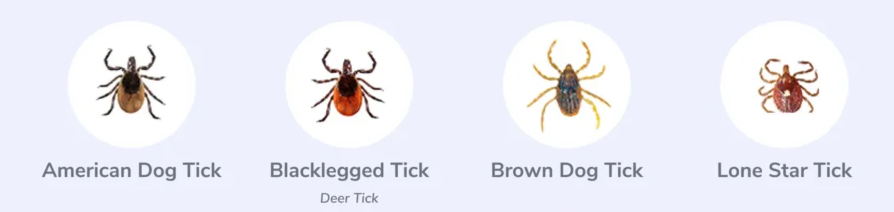
Connecticut is home to several tick species, each with its own risks:
- Blacklegged Tick (Deer Tick): The primary carrier of Lyme disease and other serious infections
- American Dog Tick: Common in grassy areas and known to transmit Rocky Mountain spotted fever
- Lone Star Tick: An aggressive species expanding into Connecticut, linked to red meat allergies and other illnesses
- Brown Dog Tick: Can infest homes and primarily affects dogs but may bite humans
Diseases Carried by Ticks in Connecticut
Ticks are more than just irritating—they are vectors for multiple dangerous diseases:
- Lyme Disease: Causes fever, fatigue, joint pain, and the classic “bullseye” rash. If untreated, it can lead to long-term neurological and joint issues.
- Anaplasmosis: A bacterial infection causing fever, muscle aches, and chills
- Babesiosis: A parasite that infects red blood cells, potentially severe for older adults or those with weakened immune systems
- Rocky Mountain Spotted Fever: A serious bacterial disease that can become life-threatening if not treated early
- Ehrlichiosis: Similar to anaplasmosis, leading to flu-like symptoms
- Alpha-gal Syndrome: Linked to Lone Star tick bites, causing allergic reactions to red meat
These diseases are on the rise in the Northeast, making prevention more important than ever.
Why Tick Activity is Increasing in Connecticut
Several environmental factors are driving tick populations higher:
- Expanding deer populations
- Suburban development near wooded areas
- Warmer winters and longer growing seasons
- Increased humidity levels
These conditions create the perfect environment for ticks to thrive—often right in your own backyard.
How MissionGreen Services Protects Your Property
At MissionGreen Services, we go beyond lawn care—we help protect your outdoor living space.
Our professional tick control program is tailored for New England properties and includes:
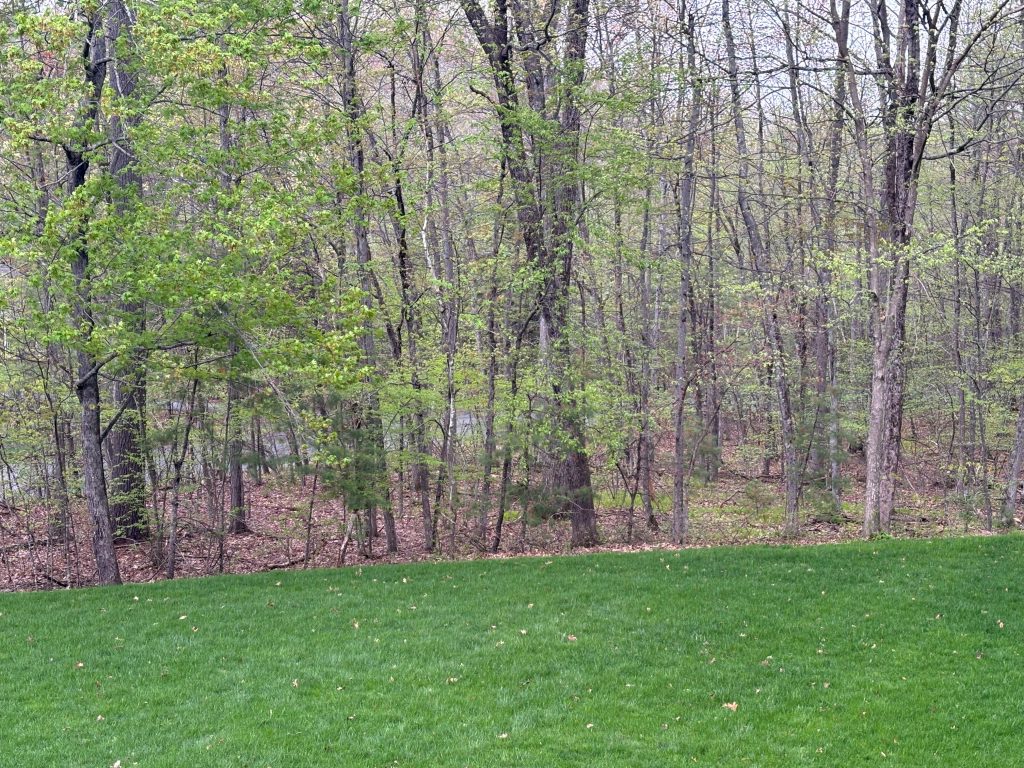
- Targeted perimeter treatments: Focusing on wooded edges, tall grass, and shaded areas
- Barrier protection: Creating a defense zone to reduce tick migration
- Seasonal applications: Timed to interrupt tick life cycles during peak activity
- Licensed expertise: Our trained technicians apply products responsibly and effectively
We proudly serve Central Connecticut, Western Massachusetts, and Rhode Island, delivering results backed by our commitment to quality and customer satisfaction.
What Homeowners Can Do to Reduce Tick Risk
You can take simple, proactive steps to protect your property:
- Mow your lawn regularly
- Remove leaves and yard debris
- Create mulch or stone borders near wooded areas
- Trim shrubs and allow sunlight to reach damp areas
- Discourage wildlife like deer and rodents
- Check pets and family members after outdoor activities
Combining these steps with professional treatments offers the best protection.
Protect Your Yard Before Tick Season Peaks
Ticks—and the diseases they carry—are a very real concern for homeowners across Connecticut, especially during the spring and summer months when outdoor activity increases. The good news is that proactive prevention can make a major difference. By understanding where ticks thrive, taking steps to reduce tick-friendly conditions around your property, and investing in professional treatment when needed, homeowners can significantly lower the risk to their families and pets.
A healthy, well-maintained yard plays an important role in reducing tick activity. Keeping grass trimmed, minimizing excess moisture, reducing overgrown vegetation, and creating separation between wooded areas and lawn spaces can all help make your property less inviting to ticks. Still, because ticks are highly active throughout New England, many homeowners find that professional tick control provides an added layer of protection and peace of mind.
At MissionGreen Services, we take a proactive approach to tick management with targeted treatments designed to help reduce tick populations throughout the season. Our goal is to help you create a safer, healthier outdoor environment so you can spend more time enjoying your lawn with confidence—whether you’re hosting backyard gatherings, gardening, or simply relaxing outside with family and pets.
Call us today at 860-222-7332 to get you yard started on a Tick and Mosquito Control Program! For additional pest topics, check out our Living Green Blog!

