

Ticks have become one of the fastest-growing pest concerns throughout New England, but one species in particular is raising alarms among homeowners, health officials, and lawn care professionals alike — the Lone Star Tick.
Originally found mostly in the southeastern United States, the Lone Star Tick has aggressively expanded northward and is now firmly established throughout the three New England states serviced by MissionGreen Services: Connecticut, Rhode Island, and Massachusetts. With warmer winters and increasing wildlife populations helping these ticks thrive, homeowners need to understand the risks and how to properly protect their property.
What Is the Lone Star Tick?
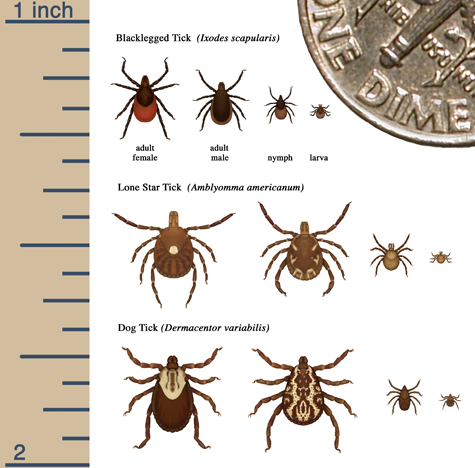
The Lone Star Tick is easily identified by the distinct white dot or “star” located on the back of the adult female tick. Unlike some other tick species that tend to remain hidden in wooded areas, Lone Star Ticks are extremely aggressive hunters and actively seek out humans and animals.
These ticks are highly invasive and reproduce rapidly, often appearing in large numbers at one time. Homeowners commonly encounter them while walking through tall grass, wooded edges, ornamental beds, or even directly in their own backyard.
Unfortunately, Lone Star Ticks are not just a nuisance. They are associated with several potentially serious illnesses and reactions, including:
- Ehrlichiosis
- Tularemia
- Southern Tick-Associated Rash Illness (STARI)
- Alpha-Gal Syndrome (a red meat allergy triggered by tick bites)
Alpha-Gal Syndrome has become one of the most concerning conditions linked to the Lone Star Tick because a single bite can potentially cause individuals to develop allergic reactions to beef, pork, and other mammal-based products.
Why Lone Star Ticks Are Thriving in New England
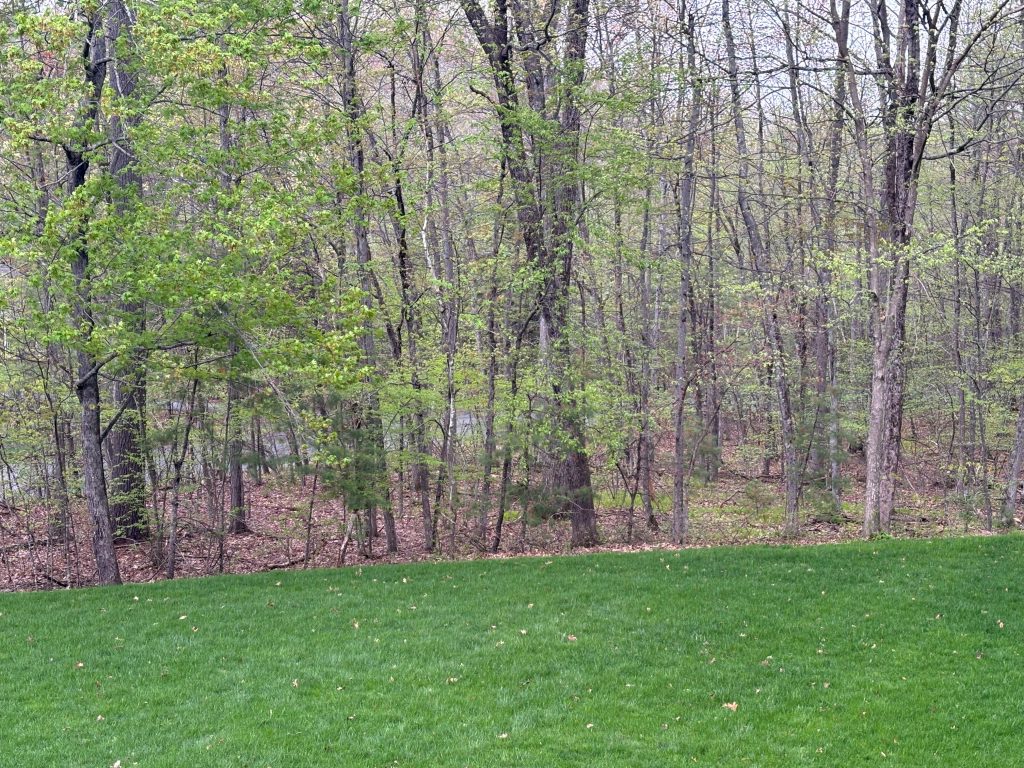
Connecticut, Rhode Island, and Massachusetts provide the perfect environment for ticks to survive and spread. Mild winters, humid summers, and growing deer populations allow tick populations to remain active longer throughout the season.
Many homeowners mistakenly believe ticks are only active during spring and early summer, but Lone Star Ticks can remain active well into the fall and even during mild winter days.
Ticks commonly hide in:
- Tall grass
- Overgrown shrubs
- Wood lines
- Leaf litter
- Groundcover areas
- Stone walls
- Moist shaded environments
Properties located near wooded areas or conservation land are especially vulnerable to heavy tick pressure.
Preventative Steps Homeowners Can Take
While professional mosquito and tick treatments provide the strongest layer of protection, homeowners can also take important preventative measures to help reduce tick populations around their property.

- Keep Grass Properly Maintained – Regular mowing helps reduce moisture and eliminates hiding areas where ticks thrive.
- Remove Leaf Litter and Debris – Ticks love damp organic material. Cleaning up leaves, brush piles, and excess debris can significantly reduce habitat conditions.
- Trim Shrubs and Overgrowth – Keeping ornamental beds and wooded edges trimmed improves airflow and sunlight penetration, making areas less favorable for ticks.
- Reduce Wildlife Activity – Deer, mice, and other wildlife commonly transport ticks onto properties. Limiting food sources and sealing openings around the home may help reduce activity.
- Create Buffer Zones – Adding mulch or stone borders between wooded areas and lawns can help discourage tick migration into high-traffic areas.
- Perform Regular Tick Checks – After spending time outdoors, always inspect children, pets, and clothing for ticks.
How MissionGreen Services Helps Protect Your Property
At MissionGreen Services, we understand how serious mosquito and tick populations have become throughout New England. That’s why we offer targeted mosquito and tick control programs designed to help protect your family, pets, and outdoor living spaces.
Our mosquito and tick applications focus on key problem areas around your property where ticks commonly hide and breed, including:
- Wooded edges
- Tall grass areas
- Landscape beds
- Fence lines
- Shaded damp environments
- Perimeter areas around the home
Our trained and licensed professionals use strategic applications designed to significantly reduce mosquito and tick activity throughout the season.
We also educate homeowners on proper cultural practices and Integrated Pest Management (IPM) techniques to create a comprehensive approach to protection.
Protect Your Outdoor Living Space This Season
Ticks are no longer just a concern for deep wooded hikes — they are now a serious backyard threat throughout Connecticut, Rhode Island, and Massachusetts.
The invasive Lone Star Tick continues to spread aggressively throughout New England, making preventative action more important than ever. Whether you’re spending time with family, entertaining guests, or simply letting pets enjoy the yard, protecting your property should be a priority.
MissionGreen Services is proud to help homeowners reclaim their outdoor spaces with professional mosquito and tick protection programs designed specifically for New England conditions. Call or text our team today at 413-998-7829 to learn more about protecting your lawn, family, and outdoor living spaces.
Your lawn is our mission — and helping protect your family is part of that commitment. For additional pest control reading, check out our Living Green blog!

