

Confused by Moles Versus Voles? You’re Not Alone. If your lawn has mysterious tunnels, surface ridges, or patchy grass that won’t recover, you may be dealing with moles or voles. These two pests are often confused, but knowing the difference between a mole and a vole is critical to protecting your lawn long-term.
At MissionGreen Services, we help homeowners across New England identify pest-related lawn damage and restore turf health using science-based, professional lawn care solutions.
What Is the Difference Between a Mole and a Vole?
Mole Damage in Lawns
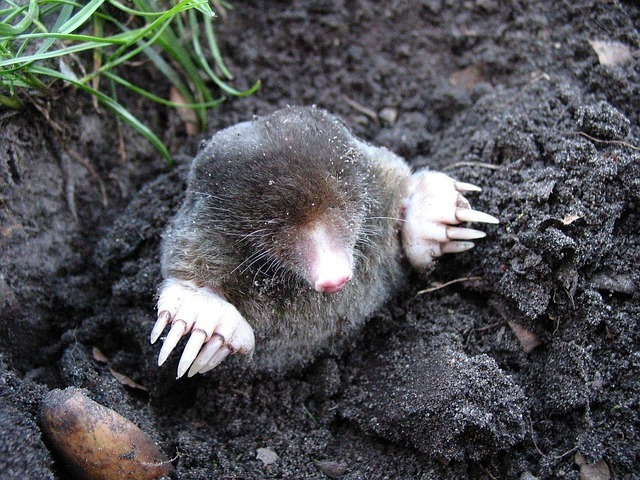
Moles are underground insectivores that tunnel through soil searching for food. While they don’t eat grass, their tunneling can seriously disrupt turf.
Common signs of mole damage:
- Raised ridges running through the lawn
- Soft or uneven ground underfoot
- Soil mounds or disturbed turf
- Increased activity in lawns with grubs or insects
Key point: Mole problems are often linked to underlying insect issues—especially grubs.
Vole Damage in Lawns

Voles are small rodents that live and feed above ground. Unlike moles, voles eat grass, roots, and crowns, making them directly destructive to turf.
Common signs of vole damage:
- Narrow runways visible on the lawn surface
- Chewed grass blades and exposed soil
- Patchy, thinning turf that won’t green up
- Damage most noticeable in early spring
Moles Versus Voles: Lawn Damage at a Glance


- Moles
- Cause soil disruption
- Create tunnels and mounds
- Attracted by insects and grubs
- Voles
- Eat grass and roots
- Create surface runways
- Thrive in thick thatch and unmanaged turf
Understanding this difference allows for the right lawn care strategy, not guesswork.
How to Protect Your Lawn from Moles and Voles
The most effective solution is prevention through lawn health. At MissionGreen Services, we focus on strengthening your lawn so pests are less likely to move in.
Professional Lawn Protection Solutions
- Grub control programs to remove food sources that attract moles
- Balanced fertilization for dense, resilient turf
- Core aeration and overseeding to strengthen root systems
- Thatch management to reduce vole nesting areas
- Targeted lawn repair services for existing damage
A healthy lawn isn’t just greener—it’s naturally more resistant to pests.
Why Traps and Home Remedies Often Fail
Many homeowners try traps, repellents, or DIY fixes when facing moles versus voles. These methods may provide short-term relief but rarely solve the root problem.
Professional lawn care addresses:
- Soil health
- Insect pressure
- Turf density
- Long-term lawn resilience
That’s where MissionGreen Services delivers real value.
Why Homeowners Choose MissionGreen Services
We are proud to be a locally trusted New England lawn care company, serving Connecticut, Rhode Island, and Massachusetts.
What sets MissionGreen apart:
- Licensed, trained turf professionals
- Environmentally responsible programs
- Deep regional expertise in New England lawns
- Personalized service plans
- Proven results—not one-size-fits-all treatments
Our calm, professional approach ensures your lawn receives exactly what it needs—no more, no less.
Take Control of Mole and Vole Damage Today
If you’re searching for answers about moles versus voles or wondering how to protect your lawn from future damage, MissionGreen Services is here to help.
A healthier lawn is the best defense—and it starts with expert care.
Protect your lawn from mole and vole damage. Contact MissionGreen Services today at 413-998-7829 for a professional lawn evaluation and customized turf care plan.

