

Spring is here in New England, and one of the most common questions homeowners ask is: “When should I mow my lawn for the first time?”
The first mow of the season is more than just a cleanup—it sets the tone for how your lawn will grow, fill in, and perform all year long. Getting it right can lead to thicker, healthier turf. Getting it wrong can set your lawn back weeks.
At MissionGreen Services, here’s exactly how to approach your first mow the right way.
When Should You Mow Your Lawn for the First Time?
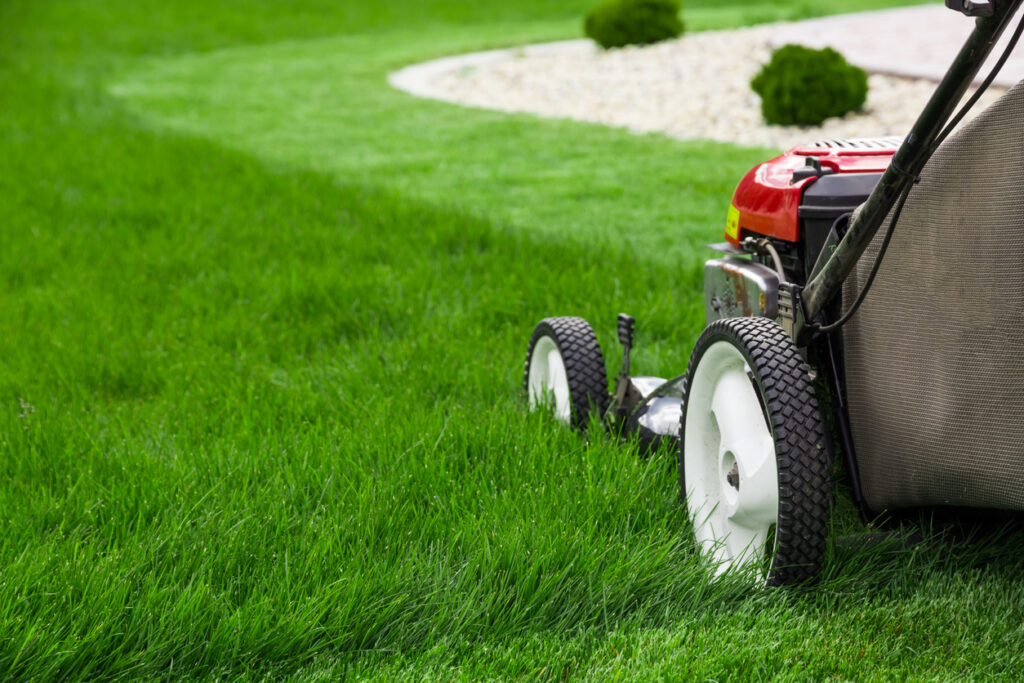
The best time for your first mow is when your lawn has actively started growing and reaches about 3.5–4 inches in height.
In New England, this typically happens:
- After consistent daytime temperatures in the 50s
- Once the lawn has dried out from snowmelt and spring rains
- When the grass is no longer matted and begins to stand upright
Avoid mowing too early. Cutting dormant or overly saturated turf can cause compaction and damage delicate spring growth.
Step 1: Prep Your Mower Before You Start
Before that first cut, your mower needs attention after sitting all winter.
A quick tune-up should include:
- Sharpening the mower blades (critical for clean cuts)
- Checking and changing the oil if needed
- Replacing or cleaning the air filter
- Inspecting the spark plug
Dull blades tear grass instead of cutting it cleanly, which can lead to browning, stress, and increased disease risk. A sharp blade is one of the easiest ways to instantly improve lawn health.
Step 2: Follow the One-Third Rule
One of the biggest early-season mistakes is cutting the lawn too short.
It may feel like you’re “resetting” the lawn—but in reality, you’re stressing it.
Always follow the one-third rule:
- Never remove more than one-third of the grass blade in a single mowing
This encourages:
- Deeper root growth
- Better drought tolerance
- Thicker, more resilient turf
For cool-season grasses common in our area, starting the season on the taller side is key.
Step 3: Clear the Lawn Before Mowing
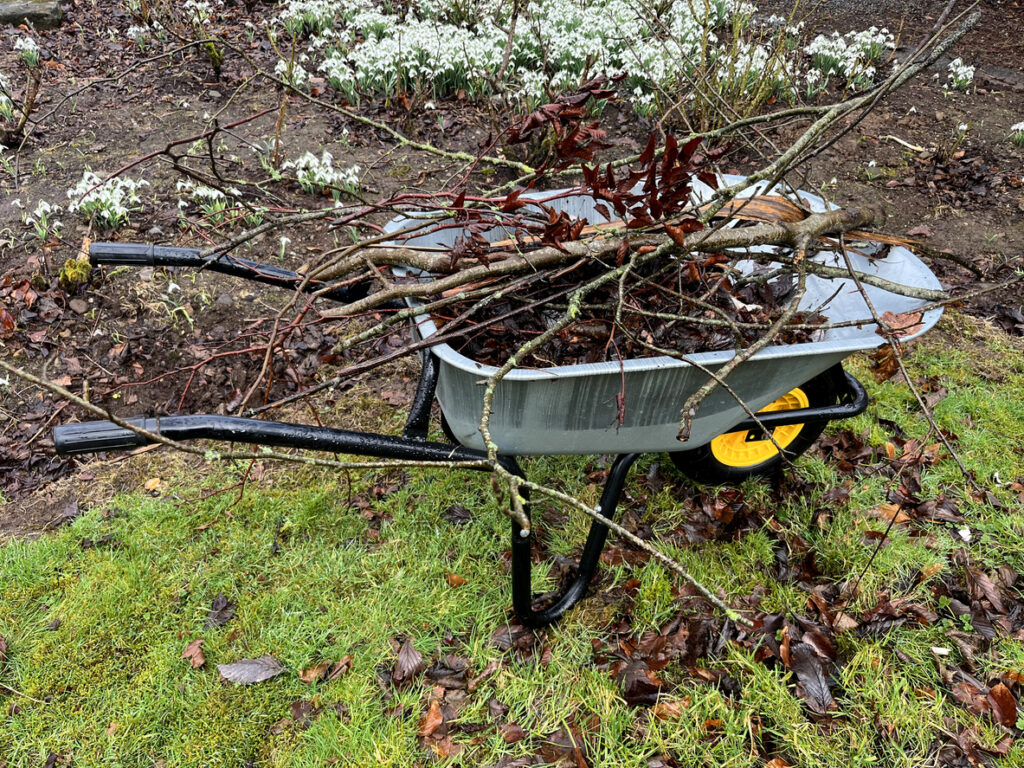
Early spring lawns often hide hazards from winter.
Before mowing, take a few minutes to walk your property and remove:
- Sticks and branches
- Rocks or debris
- Toys or hidden objects
- Uneven areas caused by frost heave
This step protects both your equipment and your safety—while also preventing uneven cuts and lawn damage.
Step 4: Mow Smart Around Edges and Features
Clean edges make a big difference in overall lawn appearance.
One rule we stand by:
Stay within one grass feature at a time.
Whether you’re mowing along:
- Driveways
- Sidewalks
- Garden beds
- Property lines
Avoid overreaching or cutting beyond defined edges. This prevents:
- Scalping
- Uneven lines
- Damage to surrounding areas
Precision here is what separates an average lawn from a sharp, professional-looking one.
Step 5: Only Mow When Conditions Are Right
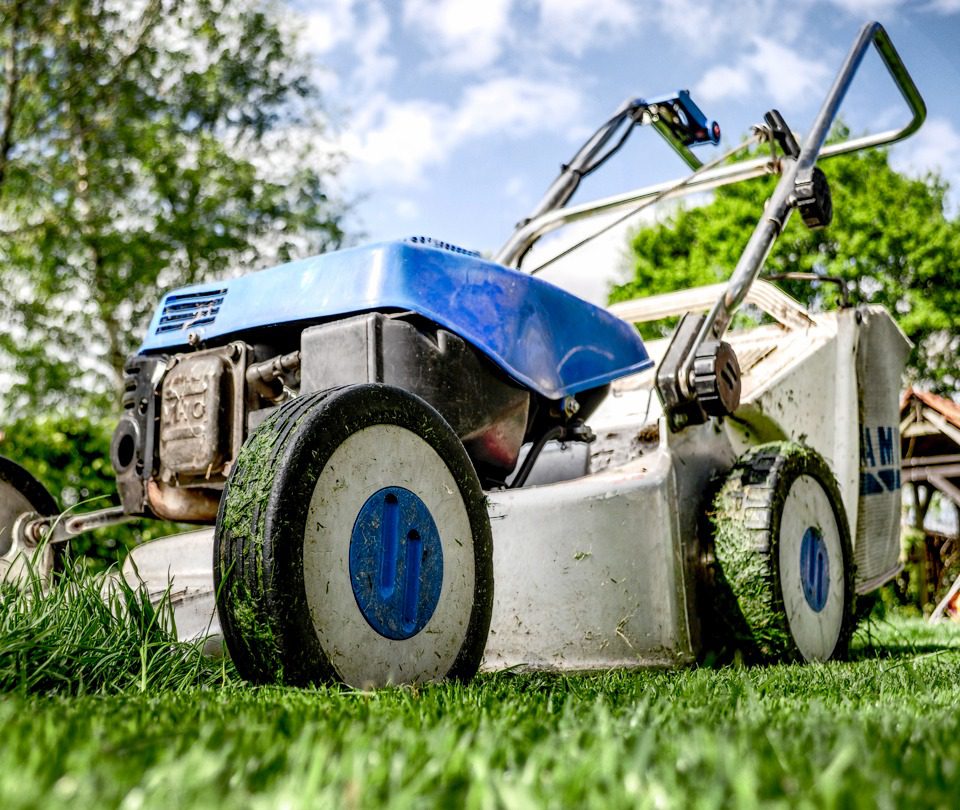
Timing matters just as much as technique.
For best results:
- Mow when the grass is dry
- Avoid mowing after heavy rain or morning dew
- Choose a time when grass is standing upright
Mowing wet grass leads to:
- Clumping
- Uneven cuts
- Soil compaction
Step 6: Use Your First Mow as a Lawn Check-Up
Your first mow is the perfect time to evaluate lawn health.
Look for:
- Thin or bare areas
- Discoloration
- Signs of snow mold or winter damage
- Compacted or slow-growing spots
Catching these early allows for better results as the season progresses.
Start the Season Strong
Your first mow isn’t just about appearance—it’s about setting your lawn up for success.
With proper mower prep, smart mowing practices, and attention to timing, you’ll create the foundation for a lawn that grows thicker, greener, and healthier throughout the season.
At MissionGreen Services, we help homeowners take the guesswork out of lawn care—so you get better results without the trial and error.
Ready to have your best lawn yet? We’re here to help every step of the way. Give our team a call or text today to get started: 413-998-7829. For additional lawn care articles, check out our Living Green blog!

