

One of the most common questions homeowners ask this time of year is:
“Is it safe to fertilize my lawn during hot summer weather?”
The short answer is yes—but only when it’s done correctly.
Summer lawn fertilization can help maintain a healthy, resilient lawn, even during periods of heat. However, using the wrong fertilizer, applying too much product, or treating a drought-stressed lawn at the wrong time can cause more harm than good.
At MissionGreen Services, we adjust our lawn care program throughout the season based on weather conditions, soil moisture, and turf health—not simply the date on the calendar. Here’s what homeowners in Connecticut, Rhode Island, and Massachusetts should know before fertilizing during the summer.
Does Hot Weather Mean You Should Skip Fertilizing?
Not necessarily.
Cool-season grasses common throughout New England—including Kentucky bluegrass, perennial ryegrass, and fine fescue—naturally slow their growth during periods of high heat and humidity. While the grass isn’t growing as quickly above ground, its roots are still active and continue to require nutrients to remain healthy.
This is why summer lawn fertilization is often still recommended—as long as the right products and application practices are used.
Heat Already Stresses Your Lawn

Summer brings several challenges for turfgrass, including:
- High temperatures
- Humidity
- Heavy foot traffic
- Insect activity
- Lawn diseases
- Periods of drought
Adding unnecessary stress—such as mowing too short, watering improperly, or applying an inappropriate fertilizer—can weaken the lawn and leave it more susceptible to damage.
A properly nourished lawn is typically better equipped to tolerate these summer stressors than one that is nutrient deficient.
Not All Fertilizers Perform the Same
One of the biggest misconceptions about lawn fertilizer is that every product works the same way.
Many retail fertilizers are designed to produce a rapid burst of green growth. While the results may look impressive initially, forcing excessive top growth during hot weather can place additional strain on the grass.
Professional lawn care companies often use slow-release fertilizer technologies that gradually feed the lawn over time. This allows the grass to absorb nutrients steadily instead of all at once, helping maintain healthier growth without creating unnecessary stress.
Can Fertilizer Burn Your Lawn?
Yes—but high temperatures alone are usually not the cause.
Fertilizer burn is most commonly the result of:
- Applying too much fertilizer
- Using products with high salt concentrations
- Leaving fertilizer granules on dry grass without sufficient moisture
- Applying fertilizer at incorrect rates
When fertilizer is applied at the proper rate using professional equipment and appropriate products, the risk of fertilizer burn is significantly reduced.
Timing Is Just as Important as the Product
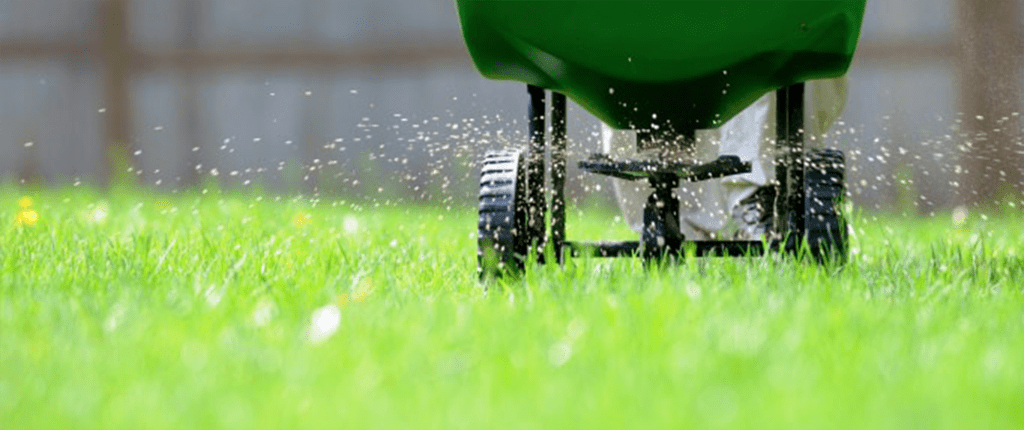
Successful summer lawn fertilization depends on more than simply choosing the right fertilizer.
Professional lawn care providers monitor several factors before making an application, including:
- Current and forecasted temperatures
- Soil moisture levels
- Rainfall expectations
- Overall lawn health
- Signs of drought stress
If extreme heat or prolonged dry conditions are expected, applications may be delayed until conditions improve. Conversely, when adequate soil moisture is available, fertilization can safely continue throughout much of the summer.
The decision is based on the condition of the lawn—not just the temperature outside.
Benefits of Summer Lawn Fertilization
When performed properly, summer fertilization provides several important advantages:
- Maintains healthy green color
- Supports deeper, stronger root development
- Helps lawns recover from heat stress
- Improves resistance to insects and common lawn diseases
- Builds strength for fall growth and recovery
Rather than forcing rapid growth, the goal is to keep the lawn healthy enough to withstand summer conditions while preparing for a stronger finish later in the season.
Watering and Fertilization Work Together

Even the best fertilizer performs better when paired with proper watering. Most lawns need approximately 1 to 1½ inches of water per week, including rainfall.
For the healthiest results:
- Water deeply and infrequently.
- Irrigate early in the morning.
- Avoid watering in the evening, which can increase disease pressure.
- Encourage deep root growth instead of shallow roots.
Proper irrigation helps nutrients move into the soil where they’re most beneficial while reducing additional stress on the turf.
Should You Fertilize During a Heat Wave?
Professional lawn care companies monitor weather conditions closely. If extreme heat or prolonged drought is expected, application timing may be adjusted to protect your lawn. Likewise, when adequate soil moisture is present, a properly selected fertilizer can continue feeding the turf safely—even during the summer months.
It’s not simply about the temperature on the thermometer. It’s about overall lawn conditions.
Trust MissionGreen Services for Proper Summer Lawn Care

Every lawn is different. Soil type, grass species, weather conditions, and previous lawn care all influence what your property needs.
At MissionGreen Services, we don’t apply the same program to every lawn. We evaluate conditions throughout the season and use professional-grade products designed to promote healthy growth while minimizing stress during Connecticut, Massachusetts, and Rhode Island’s hot, humid summers.
If you’re unsure whether your lawn should be fertilized during the summer, it’s always better to ask than guess. Our experienced team is happy to evaluate your lawn and recommend the safest, most effective approach to keep it healthy through the hottest months of the year.
Your lawn doesn’t stop needing nutrients just because it’s hot. With the right products, proper timing, and professional care, summer fertilization can be one of the keys to maintaining a healthier, greener lawn all season long.
Have questions about fertilizing during the summer? Contact our team today at 413-998- 7829 to schedule a lawn evaluation. We’ll help determine the right timing and treatment plan to keep your lawn healthy through the heat and set it up for a strong fall recovery.

