

As winter approaches in New England, many homeowners assume lawn care season is over. Grass growth has slowed, leaves are falling, and colder temperatures are settling in.But depending on the conditions, late fall can provide another opportunity to improve thin or struggling turf through a process called dormant seeding.
Dormant seeding in New England involves applying grass seed after temperatures have dropped enough to prevent germination until conditions become favorable again. Instead of trying to establish new grass before winter, the seed remains in place through the cold months and is ready to begin germinating as soil temperatures warm in the spring.
At MissionGreen Services, dormant seeding can be a useful lawn improvement strategy, particularly when it is properly timed and paired with core aeration to improve seed-to-soil contact.
What Is Dormant Seeding?
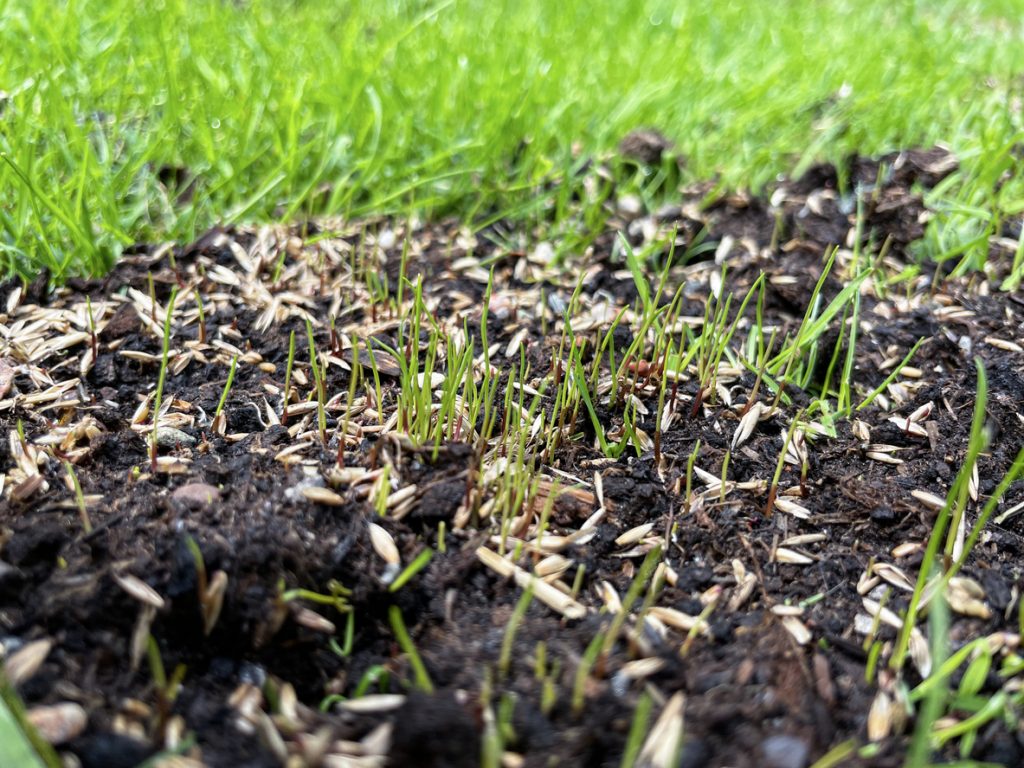
Dormant seeding is the practice of applying grass seed late enough in the season that it will not germinate before winter.
Grass seed needs the right combination of soil temperature, moisture, and environmental conditions to germinate. When seed is applied after soil temperatures have fallen below the appropriate germination range, it remains dormant rather than immediately producing new seedlings.
The goal is simple: put the seed in place now so it is ready when favorable growing conditions return.
Over the winter, precipitation and natural freeze-thaw cycles can help settle the seed into the soil. Once spring temperatures rise and adequate moisture is available, the seed can begin the germination process.
This gives the lawn an early opportunity to establish new grass without waiting for a traditional spring seeding application.
Does Dormant Seeding Work in New England?
Yes, dormant seeding can work well in New England when conditions and timing are appropriate.
Our cold winters create an extended period when grass seed can remain dormant. The repeated freezing and thawing of the soil can also help improve seed contact with the ground.
However, dormant seeding is not simply a matter of putting seed down anytime after summer. Timing is one of the most important factors.
The seed needs to be applied late enough that an unexpected stretch of warm weather is unlikely to trigger germination. Seed that remains dormant through winter has an opportunity to germinate in spring, while seed that germinates too late in the fall can produce young seedlings that are vulnerable to winter injury.
That is why dormant seeding should be based on actual weather and soil conditions rather than a specific date on the calendar.
Why Combine Dormant Seeding With Core Aeration?
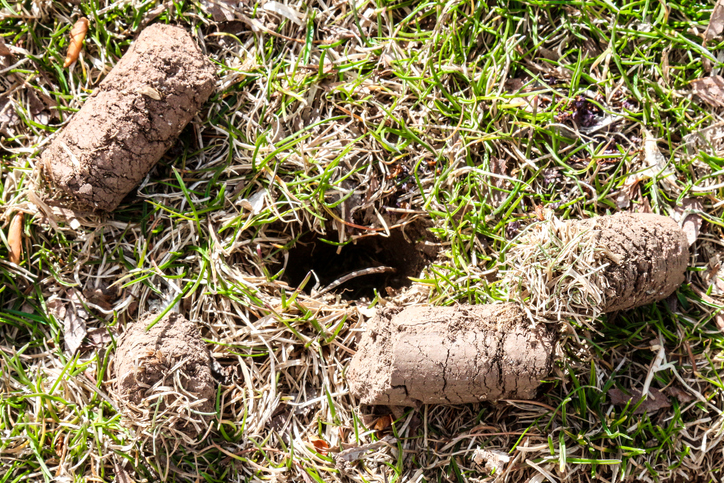
One of the biggest factors affecting seeding success is seed-to-soil contact. Grass seed needs access to soil, moisture, and the right temperatures to successfully germinate.
Simply spreading seed over the top of an established lawn may leave too much seed sitting on existing grass, thatch, leaves, or other material.
Core aeration can help create better conditions for seeding.
During core aeration, small plugs of soil are removed throughout the lawn. This helps reduce soil compaction while creating thousands of small openings and areas of disturbed soil.
When dormant seed is applied following aeration, seed can settle into and around these openings, improving its contact with the soil.
Core aeration provides additional benefits to the existing lawn by helping:
- Relieve compacted soil
- Improve movement of air and water into the root zone
- Increase nutrient availability to turf roots
- Create space for stronger root development
- Improve conditions for new grass establishment
Together, core aeration and dormant seeding address both the existing turf and the opportunity to introduce new grass plants.
What Are the Benefits of Dormant Seeding?
When properly timed, dormant seeding in New England can offer several potential benefits.
A head start on spring growth: Because the seed is already in place, it can begin responding when soil temperatures and moisture become favorable.
An opportunity to improve thin areas: Lawns can become thin from summer heat, drought, disease, insects, traffic, compaction, or other environmental stresses. Introducing new grass seed can help improve turf density.
Natural help from winter conditions: Snow, rain, and freeze-thaw cycles can help move seed into closer contact with the soil.
Another opportunity after the traditional fall seeding window: Early fall is generally an excellent time to seed cool-season lawns, but homeowners don’t always get the work done during that window. Dormant seeding may provide another option rather than waiting until much later in the following year.
Better seed-to-soil contact when paired with aeration: Core aeration creates favorable areas for seed to settle and eventually germinate.
Dormant Seeding vs. Fall Seeding: What’s the Difference?

Traditional fall seeding and dormant seeding have different objectives.
With early fall seeding, the goal is for grass seed to germinate, develop roots, and begin establishing before winter. Warm soil combined with cooler air temperatures can create excellent growing conditions for cool-season turfgrasses.
With dormant seeding, the goal is intentionally different. The seed is applied after conditions have become too cold for germination. It remains dormant through winter and germinates when conditions improve.
When the traditional fall seeding window is available, it can provide new grass more time to establish before winter. Dormant seeding should not necessarily be viewed as a replacement for that ideal window. Instead, it provides an additional lawn improvement strategy when fall conditions or timing make immediate establishment impractical.
When Is the Best Time for Dormant Seeding?
There isn’t one exact calendar date that works every year throughout Massachusetts, Connecticut, and Rhode Island.
The key is to wait until soil temperatures are consistently cold enough that germination is unlikely before winter.
This distinction is important. Dormant seeding performed too early can expose newly germinated seedlings to damaging winter conditions. Done at the appropriate time, the seed remains inactive and waits for spring.
New England weather can also vary considerably from one year to another, which is why current conditions matter more than simply choosing the same week every season.
Will the Grass Seed Survive the Winter?

Grass seed can remain viable through cold winter conditions. In fact, dormant seeding is specifically designed around the seed remaining ungerminated during this period.
The greater concern is often not the cold itself but premature germination. If extended warm conditions cause seed to germinate and young seedlings emerge before severe winter weather arrives, those seedlings may not be established enough to survive.
Other environmental factors—including excessive runoff, erosion, unusually wet conditions, wildlife activity, and spring weather—can also influence results.
For this reason, no seeding method can guarantee perfect germination. Dormant seeding is best viewed as one component of a long-term approach to building thicker, healthier turf.
What Happens When Spring Arrives?
As soil temperatures rise and adequate moisture becomes available, dormant grass seed can begin germinating.
Because the seed is already in place, the process can begin as soon as environmental conditions are favorable for that particular grass variety.
Homeowners should remember that newly germinating grass still requires proper care.
Spring weather, moisture availability, mowing practices, weed pressure, and the lawn’s overall condition can all affect establishment.
This is also one reason a comprehensive lawn care program is valuable. Seeding introduces new turf plants, while proper fertilization, weed management, mowing, watering, and soil care help support the lawn over time.
Is Dormant Seeding Right for Every Lawn?
Not necessarily.
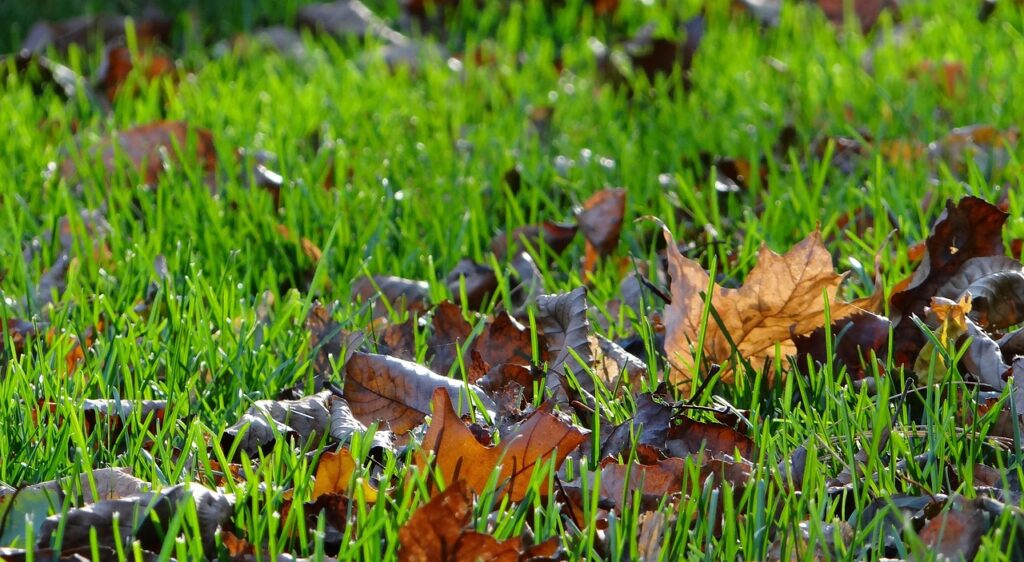
A lawn with thin turf, bare areas, compaction, or damage from summer stress may be a good candidate. However, significant drainage problems, excessive shade, poor soil conditions, heavy thatch, or other underlying issues may need to be addressed for long- term improvement.
If grass repeatedly struggles in the same area, simply adding more seed may not solve the underlying problem.
Understanding why the lawn is thin in the first place can help determine whether dormant seeding, core aeration, or another lawn care strategy makes the most sense.
Start Building Next Spring’s Lawn Before Winter
A thick, healthy lawn doesn’t happen from a single application or service. It develops by giving turf the conditions it needs to grow, recover, and establish strong roots throughout the year.
For the right lawn, combining core aeration with dormant seeding in New England can help relieve compaction, improve seed-to-soil contact, introduce new grass plants, and position the lawn for new growth once favorable conditions return.
So, if your lawn is thin, stressed, or still recovering from summer, winter approaching doesn’t necessarily mean you’ve missed every opportunity to improve it.
Contact MissionGreen Services at 413-998-7829 to learn more about core aeration and dormant seeding and whether this late-season approach makes sense for your lawn.

