

September is one of the most important months for lawn care in Connecticut, Rhode Island, and Massachusetts. After months of summer heat, drought, humidity, disease pressure, insects, and foot traffic, cool-season lawns finally get the conditions they need to recover.
At MissionGreen Services, we consider September the beginning of lawn recovery season. Cooler nights and more favorable growing conditions create an excellent opportunity to fertilize, control weeds, aerate compacted soil, and introduce new grass seed.
What Happens to Crabgrass in September?

If your lawn has crabgrass, there’s some good news: crabgrass is a summer annual.
It germinates in the spring, thrives during hot summer weather, produces seed, and naturally dies as temperatures drop and frost arrives. During September, homeowners may notice crabgrass beginning to discolor and decline.
However, dying crabgrass doesn’t mean the problem is solved for next year. Mature plants can produce large amounts of seed that remain in the soil. That’s why a properly timed spring crabgrass prevention program is an important part of a year-round lawn care strategy.
Does Nutsedge Die in the Fall?
Nutsedge also begins to decline as cooler September nights arrive, but it behaves differently from crabgrass.
Unlike crabgrass, nutsedge is a perennial sedge. The visible top growth naturally dies back with cold weather, but underground tubers can survive and produce new plants the following season.
This is one reason proper weed identification matters. Crabgrass, nutsedge, and other grassy weeds may look similar, but their life cycles—and the strategies used to manage them—are very different.
Fall Fertilization Helps Lawns Recover From Summer Stress
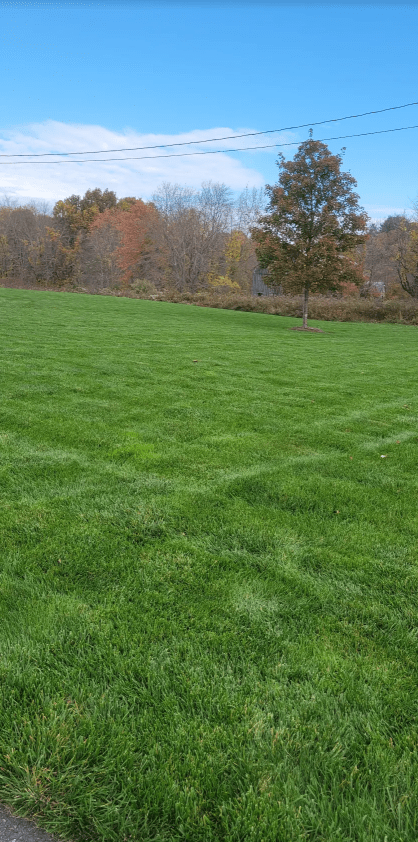
Cool-season grasses commonly found throughout New England—including Kentucky bluegrass, perennial ryegrass, and turf-type tall fescue—prefer the cooler conditions that return in late summer and fall.
A properly timed fall fertilizer application provides nutrients that support recovery from summer stress, improved turf color and density, root development, and overall lawn health heading into winter.
Instead of simply surviving summer heat, your lawn can begin rebuilding itself during September.
September Is a Great Time for Fall Weed Control
Fall is also an excellent time to control many perennial broadleaf weeds, including dandelions, clover, and plantain.
As perennial weeds prepare for winter, they begin directing resources toward their root systems. Properly timed fall weed-control treatments can take advantage of this process and provide effective control.
Reducing weed populations in the fall also means less competition for desirable turfgrass and can help create a cleaner lawn the following spring.
Why Core Aeration and Overseeding Are So Important
If summer left your lawn thin, bare, or stressed, September provides an opportunity to rebuild turf density through core aeration and overseeding.
Core aeration removes small plugs of soil from the lawn, helping relieve soil compaction while improving the movement of water, oxygen, and nutrients into the root zone.
Aeration also creates thousands of openings where new grass seed can make better contact with the soil. That’s why combining core aeration and overseeding is one of the most effective ways to improve a struggling New England lawn.
The MissionGreen Custom Seed Advantage

Here’s something homeowners should know: not all grass seed is the same.
At MissionGreen Services, we don’t believe in using inexpensive, one-size-fits-all grass seed simply to keep costs down. Our overseeding program features a custom blend of premium turfgrass varieties selected specifically for the conditions New England lawns face.
Our custom blend includes heat-tolerant Thermal Bluegrass, along with carefully selected turf-type tall fescues and other high-quality cultivars designed to help build a stronger, more resilient lawn.
We focus on high-performing “A” varieties rather than cheaper seed varieties. By introducing multiple improved cultivars into your lawn, we’re increasing genetic diversity and helping develop turf that is better equipped to handle challenges such as summer heat, drought, disease pressure, insects, and everyday environmental stress.
Think of overseeding as an investment in the future of your lawn. We’re not simply trying to grow grass—we’re introducing better grass plants.
That’s the MissionGreen Custom Seed Advantage.
A Thicker Lawn Is Your Best Defense
The goal of aeration and overseeding isn’t just to make the lawn greener this fall. It’s about increasing turf density for the seasons ahead.
A thicker lawn leaves less room for weeds to establish, improves the overall appearance of the property, and helps the turf better withstand environmental stress.
Combining proper fertilization, weed control, core aeration, and premium overseeding gives your lawn an opportunity to recover from summer and enter the following growing season stronger.
Professional Fall Lawn Care in Connecticut, Rhode Island & Massachusetts
September isn’t the end of lawn care season. For cool-season lawns, it’s one of the most valuable times of the year.
At MissionGreen Services, our fall lawn care programs are designed around New England growing conditions. From fertilization and weed control to core aeration and our custom premium overseeding blend, our goal is to help homeowners build thicker, healthier, more resilient lawns.
If your lawn struggled through the summer, September is your opportunity to help it recover.
Ready to take advantage of the MissionGreen Custom Seed Advantage? Contact MissionGreen Services today at 413-998-7829 to schedule your fall core aeration and overseeding service.

